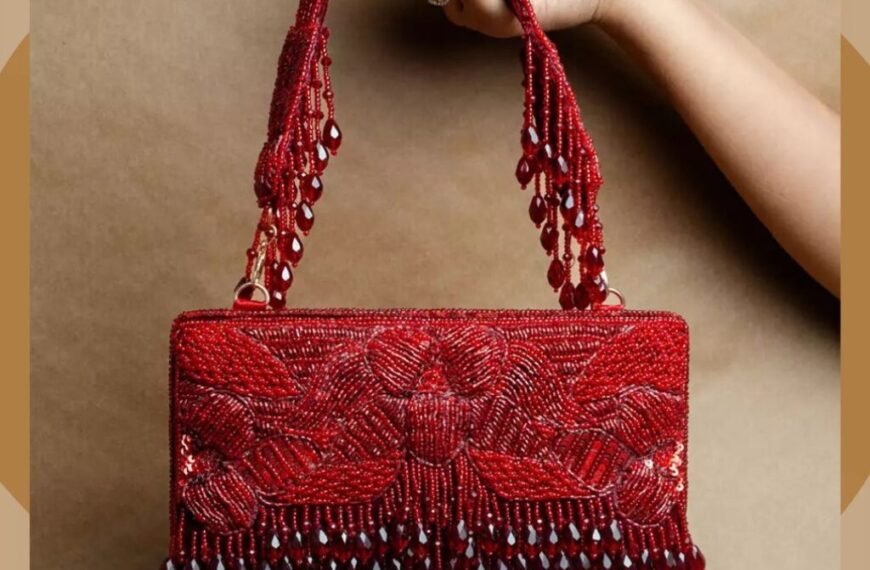
Emerging youth designers fuse rapid ideation with hybrid skill sets, turning global codes into wearable narratives. They blend local craft with digital visibility, creating cross-cultural, fast-paced aesthetics. Ethics and transparency steer brands from sourcing to inclusive sizing, while mentorship threads link local ateliers to worldwide networks. This generation redefines fashion’s pace and purpose, prioritizing verifiable impact over hype. The question lingers: which models—and which stories—will endure as the industry leans into accountability?
What Defines Emerging Youth Designers Today
Emerging youth designers today are defined less by age and more by a distinctive posture: rapid idea iteration, a hybrid skill set, and an emphasis on sustainability and representation.
They champion new emerging aesthetics, cultural hybridity, and ethics and sustainability, while prioritizing community impact, mentorship networks, digital textile innovation, inclusive sizing, and supply chain transparency through narrative originality and cross cultural collaborations.
Rising Voices: Global Threads Shaping the New Wave
Rising Voices: Global Threads Shaping the New Wave presents a landscape where designers synthesize cultural codes from every continent, translating diverse histories into wearable narratives.
Observers note fast-paced, crossover aesthetics that transcend borders, highlighting emerging markets and agile production.
Youth led collaborations surface as core drivers, pairing local craft with digital visibility.
The result is a dynamic, freedom-minded movement redefining contemporary style.
The Business of Youth Fashion: Ethics, Community, and Sustainability
The momentum from youth-led collaborations and global crossover aesthetics informs a new business ethos in youth fashion, where ethics, community, and sustainability shape how brands grow and connect with consumers.
Observed trends emphasize ethics in sourcing, community led production, and sustainability metrics, while youth entrepreneurship fuels inclusive sizing, branding and storytelling, and mentorship networks across local versus global supply chains and ethical labor standards.
How to Spot and Support Next-Gen Designers: Criteria and Pitfalls
Spotting the next generation of designers hinges on concrete signals: clear design language, intentional materials, and transparent production practices that align with ethical and sustainability benchmarks. The assessment weighs spotlighting mentorship, measuring impact, and ethical sourcing, while cataloging inclusive narratives. Pitfalls include vague claims, opaque supply chains, and overreliance on hype; success favors verifiable ethics, community collaboration, and durable, adaptable aesthetics that resist short-term trends.
See also: What Is Cross-Chain Technology?
Frequently Asked Questions
How Do Age and Age-Identity Affect Design Credibility Today?
Age perception shapes design credibility today, as audiences weigh authenticity and intent. Credibility signals arise from consistent vision, ethical practices, and transparent storytelling, while youth identity reframes risk, inviting experimentation without compromising professional rigor in a freedom-seeking market.
What Role Do Schools Play in Mentorship for Young Designers?
Mentorship networks form the backbone, as schools cultivate guidance through structured partnerships; school partnerships bridge studios and classrooms, granting access to seasoned mentors, collaborative projects, and industry insight—fueling autonomous, trend-aware growth for young designers.
Can Youth-Led Brands Achieve Long-Term Legacy or Exit Strategies?
Youth-led brands can build lasting legacies through disciplined exits or sustained growth, provided they scale authentic brand storytelling and expand into emerging markets, while maintaining creative independence, governance, and adaptable supply chains that attract investors and loyal global audiences.
How Do We Measure Real Impact Beyond Social Media Metrics?
Real impact transcends likes, prioritizing recognition metrics and ethical sourcing; observers note brands differentiate through durable value, transparent supply chains, and stakeholder alignment, signaling true influence beyond virality while preserving freedom to innovate and redefine industry norms.
Are There Safety Concerns in Production and Internships for Teens?
Safely, concerns exist about youth production and internships; the matter centers on Safety protocols and internship supervision. The analysis remains observant, concise, trend-focused, noting that responsible studios implement rigorous oversight, transparent policies, and continuous mentorship for teen participants seeking freedom.
Conclusion
Amid the threads of fast looks and slow ethics, coincidence threads through the scene: a local maker’s patch appears on a global run, a mentor’s tip lands just as a fail becomes a pivot. Emerging youth designers align craft with cause, turning chance into signal. With transparent sourcing, inclusive sizing, and shared stories, their aesthetics endure beyond hype, proving that timing and intent can converge to redefine style as communal, durable, and future-forward.