In today’s competitive market, packaging is more than just a protective layer around a product. It influences customer perception, preserves product quality, and communicates a brand’s commitment to excellence. Among the many packaging materials available, glass packaging continues to stand out as one of the most trusted and premium choices for businesses across multiple industries.
From cosmetics and gourmet foods to pharmaceuticals and specialty products, glass has earned a reputation for durability, purity, and visual appeal. Unlike many other packaging materials, glass does not react with its contents, helping products maintain their original taste, aroma, texture, and effectiveness throughout their shelf life.
As consumers increasingly prioritize sustainability and premium experiences, businesses are turning to glass packaging to enhance both product protection and brand value. Understanding its advantages can help companies make informed packaging decisions that support long-term growth.
Why Glass Packaging Continues to Lead Premium Markets
Premium products require packaging that reflects their quality. Glass naturally delivers an upscale appearance while offering practical benefits that many alternative materials struggle to match.
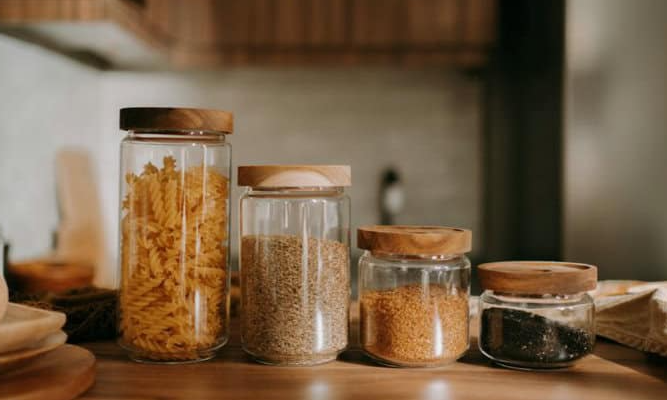
Its crystal-clear transparency allows customers to see the product before purchasing, creating trust and confidence. Whether displaying colorful spices, luxury skincare products, handcrafted candles, or specialty beverages, glass enhances presentation without compromising functionality.
Additionally, glass maintains its appearance over time, resisting discoloration and maintaining a polished look even after extended storage.
See also: Chiropractic Care for Women: A Natural Path to Better Health
Excellent Product Protection
One of the biggest advantages of glass packaging is its ability to protect sensitive products from external contaminants.
Glass creates a strong barrier against:
- Moisture
- Oxygen
- Air
- Odors
- Chemicals
- Bacteria
Because glass is non-porous and chemically stable, it prevents unwanted interactions between the container and the product inside. This makes it particularly valuable for products where purity is essential.
Industries that commonly rely on glass packaging include:
- Food and beverages
- Cosmetics
- Essential oils
- Herbal products
- Pharmaceuticals
- Nutraceuticals
Maintaining product integrity helps businesses reduce waste while improving customer satisfaction.
A Sustainable Packaging Solution
Environmental responsibility has become a major purchasing factor for today’s consumers. Businesses that adopt eco-friendly packaging often strengthen their brand reputation while meeting growing sustainability expectations.
Glass is one of the few packaging materials that can be recycled repeatedly without losing quality or purity. Unlike certain materials that degrade during recycling, glass retains its original properties through multiple recycling cycles.
Other environmental benefits include:
- Lower long-term environmental impact
- Reduced landfill waste
- Reusable packaging options
- Support for circular economy initiatives
Choosing recyclable packaging demonstrates a company’s commitment to responsible business practices.
Premium Appearance That Builds Brand Value
Packaging often creates the first impression a customer has of a product. A premium container immediately communicates quality before the product is even opened.
Glass naturally provides:
- Elegant presentation
- High perceived value
- Professional shelf appeal
- Better product visibility
- Luxury branding opportunities
Many premium brands choose glass because customers frequently associate it with craftsmanship, authenticity, and superior quality.
Businesses looking to elevate their packaging strategy often explore Custom Glass Jars that complement their product identity while enhancing the overall customer experience.
Versatility Across Multiple Industries
Glass packaging is remarkably adaptable, making it suitable for a wide variety of products.
Common applications include:
Food Products
Glass preserves freshness for sauces, spices, honey, jams, coffee, tea, and gourmet ingredients.
Beauty and Personal Care
Luxury skincare brands frequently package creams, serums, facial oils, and balms in glass containers because they maintain ingredient stability while enhancing presentation.
Health and Wellness
Supplements, herbal extracts, tinctures, and pharmaceutical products often rely on glass for its chemical resistance and purity.
Home Products
Candles, fragrances, decorative storage containers, and specialty household products also benefit from the durability and premium appearance of glass.
Its flexibility allows businesses to maintain consistent branding across multiple product categories.
Better Customer Experience
Consumers appreciate packaging that feels durable, reliable, and easy to reuse.
Glass containers often continue serving practical purposes after the original product has been used. Many customers repurpose them for storage, decoration, or organization, extending the brand’s visibility well beyond the initial purchase.
Reusable packaging also creates positive customer perceptions while supporting sustainability initiatives.
Small details like secure closures, clean labeling, and attractive container shapes contribute to an improved unboxing experience that customers remember.
Supporting Premium Brand Positioning
Consumers often associate packaging quality with product quality.
When a business invests in premium packaging materials, customers naturally develop greater confidence in the brand itself. This perceived value can influence purchasing decisions, customer loyalty, and repeat sales.
Companies like King Custom Cones understand that selecting the right packaging solution is not simply about protection—it’s also about creating memorable customer experiences that reflect the value of the product inside.
Choosing the Right Glass Packaging
Not every glass container fits every product. Businesses should evaluate several factors before selecting packaging.
Important considerations include:
Product Compatibility
Ensure the container size and shape support the product while preserving freshness.
Closure Type
Choose lids that provide reliable sealing and protection during storage and transportation.
Storage Conditions
Consider how temperature, light exposure, and transportation may affect the packaged product.
Branding Opportunities
Packaging should align with the company’s visual identity while remaining practical for customers.
Carefully evaluating these factors helps businesses maximize both functionality and presentation.
Frequently Asked Questions
Why is glass packaging considered premium?
Glass offers exceptional product protection, a luxurious appearance, chemical stability, and long-term sustainability, making it ideal for premium consumer products.
Is glass environmentally friendly?
Yes. Glass is fully recyclable and can be reused multiple times without losing its quality, making it one of the most sustainable packaging materials available.
Which industries benefit most from glass packaging?
Food, beverages, cosmetics, pharmaceuticals, wellness products, candles, and specialty consumer goods commonly use glass packaging.
Does glass help preserve product quality?
Yes. Glass provides an effective barrier against moisture, oxygen, and contaminants while preventing chemical interactions that could affect product quality.
Conclusion
Glass packaging remains one of the most reliable choices for businesses that value quality, sustainability, and premium branding. Its ability to protect products, support environmental initiatives, and elevate shelf appeal makes it a preferred packaging solution across numerous industries.
As consumer expectations continue to evolve, investing in high-quality glass packaging allows businesses to strengthen brand credibility while delivering products that arrive safely and maintain their original integrity. For companies seeking lasting value and premium presentation, glass continues to set the industry standard.